Call us now :08045800987
 Send Inquiry
 Send Inquiry
Indole 3 Acetic Acid
Price 5000 INR/ Kilograms
MOQ : 5 Cartons
Indole 3 Acetic Acid Specification
- Odour
- Characteristic
- Shelf Life
- 2 years
- Packaging Type
- Drum, Bag, or Bottle
- Formulations Type
- Technical
- Target Crops
- All crops
- Active Ingredient
- Indole 3 Acetic Acid
- Usage
- For enhancing growth in horticultural and agricultural crops
- Solubility
- Soluble in ethanol and slightly soluble in water
- Application Method
- Foliar spray or root treatment
- Classification
- Plant Growth Regulator
- Chemical Name
- Indole 3 Acetic Acid
- CAS No
- 87-51-4
- EINECS No
- 200-396-7
- MF
- C10H9NO2
- Application
- Promotes plant cell elongation and root initiation
- Physical State
- Powder
- Release Type
- Controlled
- Storage
- Cool and dry place
- Product Type
- Plant Growth Promoter
- Dosage
- 10-30 ppm (application dependent)
- Color
- White to off-white
- Melting Point
- 166-169C
- HS Code
- 29339900
- pH Value
- 5.0-7.0 (1% solution)
- Molecular Weight
- 175.19 g/mol
- Mode of Action
- Auxin class, stimulates cell elongation and division
- Hazard Statement
- Non-hazardous
- Stability
- Stable under normal conditions
- Purity
- 98% min
Indole 3 Acetic Acid Trade Information
- Minimum Order Quantity
- 5 Cartons
- Supply Ability
- 200 Cartons Per Day
- Delivery Time
- 1-2 Days
About Indole 3 Acetic Acid
Indole 3 Acetic Acid
Indole-3-acetic acid (IAA) is the most abundant and the basic auxin natively occurring and functioning in plants. It generates the majority of auxin effects in intact plants, and is the most potent native auxin.
Details
| C.a.s. No | (87-51-4) |
| Chemical name | Indole 3acetic acid, hetroauxin |
| Molecular weight | 175.18 |
| Empirical formula | C10h9no2 |
| Colour | White to offwhite or slightly |
| | Pinkish crystalline powder |
| Solubility | Sol. Inalcohole, acetone |
| Melting range | 167-1700 c |
| % m.c. | Nmt 0.1% |
| T.c.l | Single spot coprs. To std. |
| % assay | Nlt99% by hplc |
Packing in 1kg pouch / 25kg drums.
Please contact if you require Certificate of Analysis.
Ready delivery available.
Promotes Healthy Root and Shoot Development
Indole 3 Acetic Acid serves as a powerful auxin, encouraging root initiation and robust shoot growth. This results in stronger, more resilient plants that are better equipped to absorb nutrients from the soil, ultimately supporting healthy crop establishment and higher productivity across a wide range of horticultural and agricultural crops.
Safe and Stable for Agricultural Use
With a confirmed non-hazardous profile and excellent stability under normal storage conditions, Indole 3 Acetic Acid is easy to handle and store. Its shelf life of up to 2 years ensures reliable performance for distributors, importers, and end-users. The compound is supplied in technical grade, suitable for formulation in diverse delivery systems.
Versatile Application Methods
Indole 3 Acetic Acid can be administered through foliar sprays or direct root treatments, adapting to various agricultural protocols. Its efficacy at 10-30 ppm allows precise dosing for different crops, ensuring optimal plant response. The product is available in drums, bags, or bottles, suitable for varied operational scales.
FAQs of Indole 3 Acetic Acid:
Q: How is Indole 3 Acetic Acid applied to crops?
A: Indole 3 Acetic Acid can be applied using a foliar spray or as a root treatment. The mode of application depends on the crop and desired outcome, with recommended rates between 10-30 ppm for optimal results.Q: What are the main benefits of using Indole 3 Acetic Acid on plants?
A: This compound stimulates both cell elongation and division, which promotes healthy root initiation and vigorous shoot growth. The result is improved plant vigor, better nutrient uptake, and increased yield potential.Q: When should Indole 3 Acetic Acid be used during cultivation?
A: It is typically applied during early stages of plant growth or at transplanting to support root development, but timing may vary depending on specific crop needs and growing conditions.Q: Where should Indole 3 Acetic Acid be stored before use?
A: Store the product in a cool, dry place, away from direct sunlight and moisture, to maintain its stability and effectiveness throughout its two-year shelf life.Q: What is the typical process for preparing an Indole 3 Acetic Acid solution?
A: Indole 3 Acetic Acid is soluble in ethanol and only slightly soluble in water. For application, dissolve the measured quantity first in a small amount of ethanol before diluting it with water to reach the desired concentration.Q: Can Indole 3 Acetic Acid be used on all types of crops?
A: Yes, this product is suitable for a broad range of horticultural and agricultural crops and is commonly used to promote growth and enhance stress resistance across various plant types.Q: Is Indole 3 Acetic Acid hazardous to handle?
A: No, Indole 3 Acetic Acid is classified as non-hazardous and safe when handled and applied according to recommended guidelines.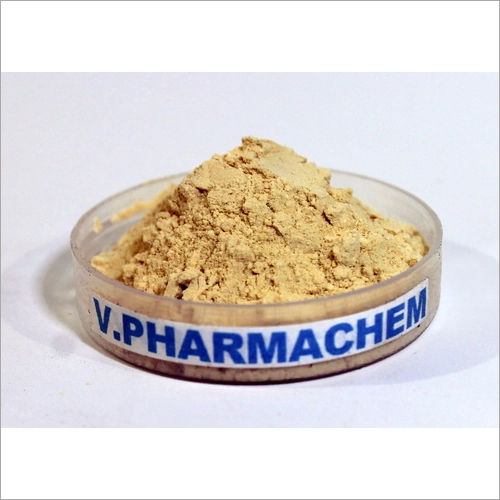

Tell us about your requirement

Price:
Quantity
Select Unit
- 50
- 100
- 200
- 250
- 500
- 1000+
Additional detail
Mobile number
Email

More Products in Plant Growth Promotor Category
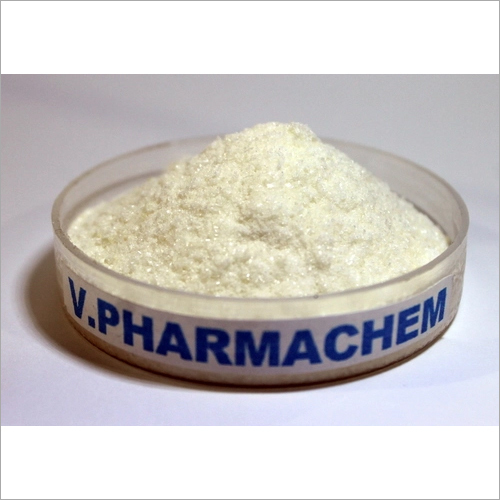
Vitamin C Feed grade (Ascorbic Acid )
Price Range 500.00 - 600.00 INR / Kilograms
Minimum Order Quantity : 5 /25 KG Kilograms
Physical State : Powder
Product Type : Other, Feed Additive
Active Ingredient : Vitamin C (Ascorbic Acid)
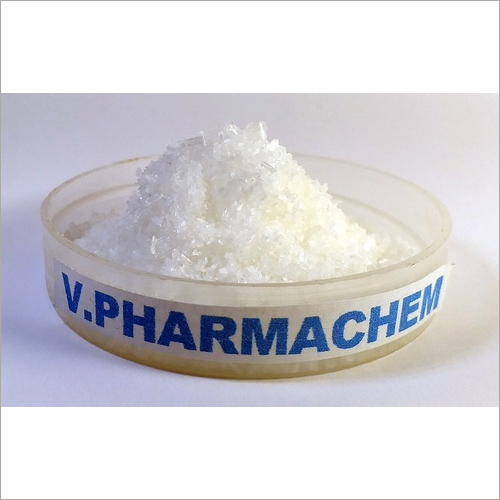
L-cysteine Hcl Monohydrate
Price 700.0 INR / Kilograms
Minimum Order Quantity : 25 Kilograms
Physical State : Other, White crystalline powder
Product Type : Other, Active Pharmaceutical Ingredient
Active Ingredient : LCysteine HCl Monohydrate

6benyl Adenine
Price Range 4500.00 - 5000.00 INR / Kilograms
Minimum Order Quantity : 10 Kilograms
Physical State : Powder
Product Type : Other, Technical Grade
Active Ingredient : 6Benzyl Adenine
N-acetyl-4-thiozolidine Caroxilic Acid
Price 2500.0 INR / Kilograms
Minimum Order Quantity : 25 Kilograms, Kilograms
Physical State : Powder
Product Type : Other, Plant Growth Regulator
Active Ingredient : Nacetyl4thiazolidine carboxylic acid


 Send Inquiry
Our Products


B-402, Aman Akansha building, Dainik Shivner Marg, Gandhi Nagar, Worli, Mumbai - 400018, Maharashtra, India

Mr Vivek Kandoi
(Proprietor)
Mobile :08045800987
 Send Inquiry
 Send SMS
 Call Me Free
Developed and Managed by Infocom Network Private Limited.


